Introduction
The Seven Bowls of God’s Wrath represent the final series of divine judgments recorded in the Book of Revelation. Found in Revelation chapters 15 and 16, these judgments complete God’s righteous response to human rebellion and prepare the way for the triumphant return of Jesus Christ.
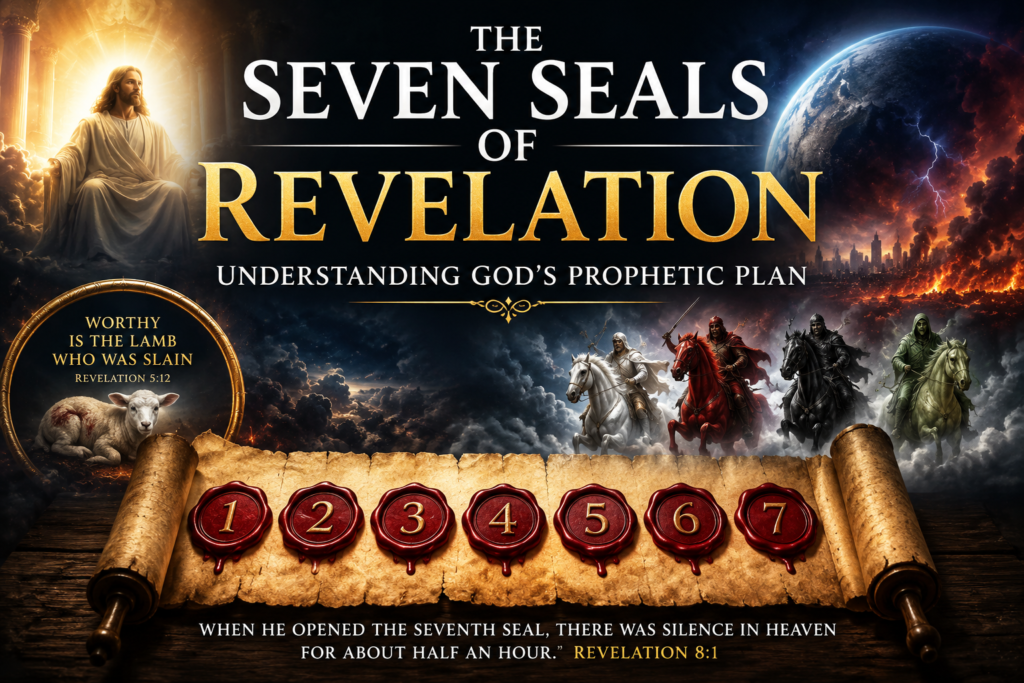
The Book of Revelation presents three major cycles of judgments: the Seven Seals, the Seven Trumpets, and the Seven Bowls. While the seals and trumpets often affect only a portion of the earth, the bowl judgments are comprehensive and demonstrate that God’s patience with persistent rebellion has reached its appointed conclusion.
Although the imagery is dramatic, Revelation is not written merely to inspire fear. Its primary purpose is to reveal the holiness of God, the certainty of His justice, and the ultimate victory of Jesus Christ over sin, Satan, and evil. For believers, these chapters provide hope that injustice will not continue forever and that God’s kingdom will ultimately prevail.
What Are the Seven Bowls of God’s Wrath?
The Seven Bowls of God’s Wrath are seven judgments poured out by seven angels upon the earth. Each bowl represents a specific act of divine judgment against those who persist in rejecting God and worshiping the Beast.
John describes these events after seeing seven angels prepared to complete God’s wrath.
“With them God’s wrath is completed.”
(Revelation 15:1)
The bowls symbolize the completion of God’s judicial work before the establishment of Christ’s eternal kingdom.
Unlike human anger, God’s wrath is never impulsive or unjust. Scripture consistently teaches that God is holy, righteous, patient, and merciful. His judgments are always based on perfect justice and truth (Psalm 89:14; Romans 2:5–11).
The Heavenly Scene Before the Bowls
Before the judgments begin, John sees a magnificent vision of heaven (Revelation 15:2–8).
Those who remained faithful to Christ stand beside what appears to be a sea of glass mixed with fire. They sing the Song of Moses and the Song of the Lamb, praising God’s mighty works, righteousness, and holiness.
Their worship reminds readers that God’s judgments are never separated from His holiness. Heaven celebrates not destruction itself but God’s perfect justice and faithfulness.
The heavenly temple is then opened, and seven angels emerge carrying seven golden bowls filled with God’s wrath. Smoke fills the temple because of God’s glory and power, emphasizing the majesty of the One who reigns over all creation.
The First Bowl: Painful Sores
Bible Reference: Revelation 16:2
The first angel pours out his bowl upon the earth, and painful sores break out on those who bear the mark of the Beast and worship his image.
This judgment resembles the sixth plague upon Egypt (Exodus 9:8–12), demonstrating that the God who judged Pharaoh continues to rule over history.
Importantly, this plague affects only those who have aligned themselves with the Beast. It reveals God’s justice toward persistent rebellion rather than indiscriminate punishment.
The Second Bowl: The Sea Turns to Blood
Bible Reference: Revelation 16:3
The second angel pours out his bowl into the sea, and it becomes like the blood of a dead person. Every living creature in the sea dies.
Unlike the second trumpet judgment, which affected one-third of the sea, this judgment is universal.
The devastation highlights humanity’s dependence upon God’s sustaining grace. The oceans, which support life, trade, and food supplies, are completely transformed under God’s judgment.
Many scholars understand this as emphasizing the completeness of God’s final judgment, whether interpreted literally, symbolically, or as a combination of both.
The Third Bowl: Rivers Become Blood
Bible Reference: Revelation 16:4–7
The third angel pours out his bowl upon the rivers and springs, turning fresh water into blood.
An angel declares:
“You are just in these judgments… for they have shed the blood of Your holy people and Your prophets.”
(Revelation 16:5–6)
This announcement reveals the moral foundation of God’s judgments. They are not arbitrary acts of power but righteous responses to violence, persecution, and injustice.
Throughout Scripture, God consistently defends His faithful people and promises that evil will not escape His notice.
The Fourth Bowl: Scorching Heat
Bible Reference: Revelation 16:8–9
The fourth angel pours out his bowl upon the sun, causing intense heat that scorches humanity.
Rather than repenting, many curse God and refuse to give Him glory.
This response illustrates one of Revelation’s central themes: miracles and judgments alone cannot soften hearts that have chosen persistent rebellion. Genuine repentance requires a humble response to God’s grace.
The fourth bowl also reminds believers that creation itself remains under God’s authority. The sun, often worshiped by ancient civilizations, serves only at the command of its Creator.
What Do the First Four Bowls Teach?
These judgments communicate several important truths.
First, God is perfectly just. Evil will not continue indefinitely without accountability.
Second, human rebellion has serious consequences. Revelation repeatedly contrasts those who worship God with those who follow the Beast, showing that every person ultimately chooses whom they will serve.
Third, God’s sovereignty extends over every part of creation. The earth, sea, rivers, and heavens all respond to His command.
Finally, these visions encourage believers to remain faithful. While God’s people may experience persecution in the present age, Revelation assures them that Christ will ultimately judge evil and establish His everlasting kingdom.
The Fifth Bowl: Darkness on the Beast’s Kingdom
Bible Reference: Revelation 16:10–11
The fifth angel pours out his bowl on the throne of the Beast, plunging his kingdom into darkness. People experience intense pain and anguish, yet instead of turning to God, they continue to curse Him and refuse to repent.
This judgment recalls the ninth plague on Egypt, when darkness covered the land before Israel’s deliverance (Exodus 10:21–23). In Revelation, darkness symbolizes both physical suffering and spiritual blindness. The Beast’s kingdom, which appeared powerful and invincible, is shown to be completely subject to God’s authority.
One of the most sobering aspects of this bowl is humanity’s response. Even after repeated warnings, many remain hardened in their rebellion. Revelation teaches that persistent rejection of God can lead to spiritual blindness and an unwillingness to repent, despite overwhelming evidence of His power.
The Sixth Bowl: The Euphrates and Armageddon
Bible Reference: Revelation 16:12–16
The sixth bowl is poured out on the great Euphrates River, causing its waters to dry up and prepare the way for the kings from the east.
John then sees three unclean spirits, described as frogs, coming from the mouths of the dragon, the Beast, and the false prophet. These demonic spirits perform miraculous signs and gather the rulers of the earth for the final conflict against God.
The gathering place is called Armageddon (Hebrew: Har-Megiddo), often translated as “Mount of Megiddo.”
Armageddon has become one of the most recognizable names in biblical prophecy. While scholars differ on whether it represents a literal geographic location, a symbolic battlefield, or both, the central message is clear: the forces opposed to God will unite against Him but will ultimately be defeated by Jesus Christ.
In the middle of this vision, Jesus gives an important warning:
“Behold, I am coming like a thief! Blessed is the one who stays awake and remains clothed.”
(Revelation 16:15)
This reminder shifts the focus from curiosity about future events to faithful readiness. Believers are called to remain spiritually alert, living holy lives as they await Christ’s return.
The Seventh Bowl: The Final Judgment
Bible Reference: Revelation 16:17–21
The seventh angel pours out his bowl into the air, and a loud voice from God’s heavenly temple declares:
“It is done!”
This proclamation signals the completion of God’s judgment.
Immediately, dramatic events unfold:
- Lightning flashes.
- Thunder roars.
- A great earthquake shakes the earth.
- The great city is divided.
- Babylon receives God’s judgment.
- Islands disappear.
- Mountains vanish.
- Enormous hailstones fall from heaven.
These cosmic disturbances demonstrate that God’s final judgment affects all creation. Human civilization, represented by Babylon, cannot withstand the authority of the Creator.
Yet, even after experiencing these judgments, many continue to blaspheme God rather than repent. Revelation consistently portrays the tragic reality that those who continually reject God often harden their hearts instead of seeking His mercy.
Theological Significance of the Seven Bowls
The Seven Bowls reveal several important truths about God’s character and His plan for history.
God’s Justice Is Perfect
Throughout the Bible, God is described as holy, righteous, and just (Deuteronomy 32:4; Psalm 89:14). His judgments are never arbitrary or unfair. They are directed against persistent evil, idolatry, violence, and rebellion.
Unlike human anger, God’s wrath is the expression of His perfect holiness against sin.
God’s Mercy Precedes Judgment
The bowls come only after numerous warnings throughout Scripture.
Before the bowls, God sends:
- The prophets.
- Jesus Christ.
- The apostles.
- The Church’s witness.
- The Seven Seals.
- The Seven Trumpets.
Judgment follows repeated opportunities for repentance. This reflects God’s patience, as emphasized in 2 Peter 3:9, where He desires people to come to repentance rather than perish.
Christ Is the Center of Revelation
Although the bowls describe judgment, the central figure of Revelation remains Jesus Christ.
He is:
- The Lamb who was slain (Revelation 5:6).
- The faithful witness (Revelation 1:5).
- The King of Kings and Lord of Lords (Revelation 19:16).
- The One who establishes the new heaven and new earth (Revelation 21–22).
The purpose of Revelation is not merely to describe future judgments but to reveal the ultimate triumph of Christ.
Major Interpretive Views
Faithful Christians have understood the Seven Bowls in different ways.
Futurist View
The Futurist interpretation understands the bowls as literal or predominantly future judgments that occur shortly before Christ’s Second Coming. This view is widely held among evangelical scholars.
Historicist View
Historicists interpret the bowls as representing major historical events throughout church history.
Idealist View
Idealists see the bowls as symbolic portrayals of God’s ongoing judgment against evil in every age, emphasizing timeless spiritual truths.
Preterist View
Preterists understand many of the bowl judgments as referring primarily to events connected with the fall of Jerusalem in AD 70 or the decline of the Roman Empire.
While these perspectives differ on timing and symbolism, they all affirm God’s sovereignty and Christ’s ultimate victory over evil.
Practical Lessons for Christians
The Seven Bowls are not intended to produce fear or unhealthy speculation. Instead, they encourage believers to live faithfully in light of God’s coming kingdom.
These chapters teach Christians to:
- Trust God’s justice even when evil appears to prosper.
- Pursue holiness and faithful obedience.
- Share the gospel while there is still opportunity for repentance.
- Place hope in Christ rather than earthly systems.
- Remain watchful for the Lord’s return.
The message of Revelation is ultimately one of hope. God will fulfill every promise He has made.
Conclusion
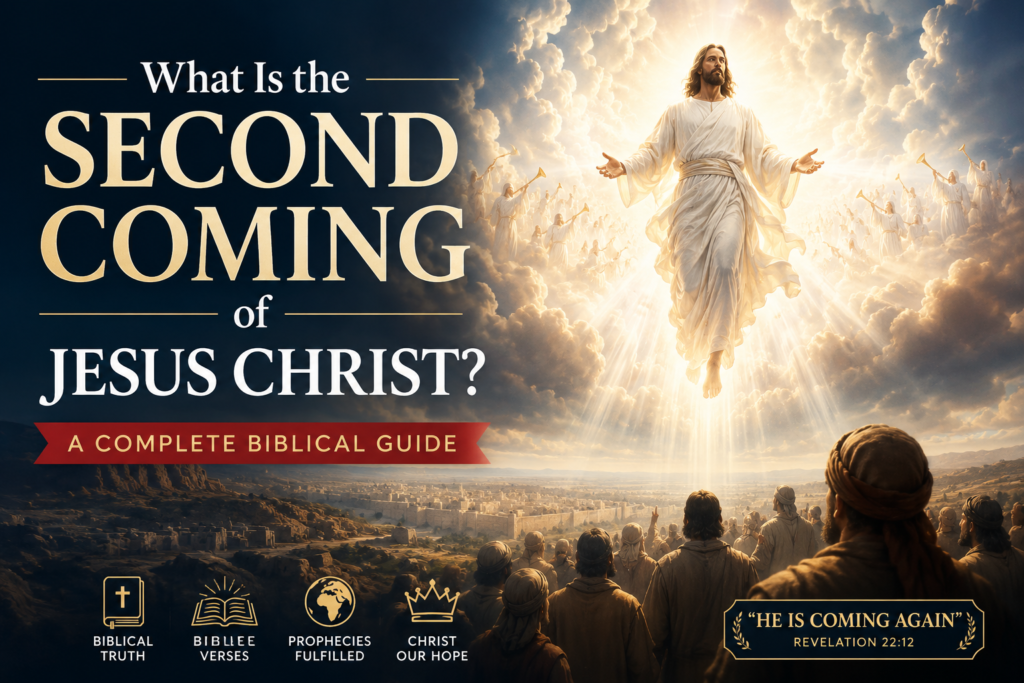
The Seven Bowls of God’s Wrath represent the final outpouring of God’s righteous judgment before the establishment of Christ’s everlasting kingdom. These visions reveal God’s holiness, justice, and sovereignty while assuring believers that evil will not endure forever.
For Christians, Revelation is not primarily a book of fear but a book of hope. The same God who judges sin also offers salvation through Jesus Christ. Those who trust in Him can look forward with confidence to the day when Christ returns, evil is defeated, and God dwells forever with His redeemed people.
As believers await that glorious day, they are called to remain faithful, proclaim the gospel, and live in anticipation of the new heaven and new earth where righteousness will reign forever.
Key Bible References
- Revelation 15–16
- Exodus 7–12
- Deuteronomy 32:4
- Psalm 89:14
- Isaiah 24
- Joel 2
- Matthew 24
- 2 Peter 3:9–13
- Revelation 19–22
Recommended Scholarly Resources
- G. K. Beale, The Book of Revelation (New International Greek Testament Commentary)
- Grant R. Osborne, Revelation (Baker Exegetical Commentary on the New Testament)
- Robert H. Mounce, The Book of Revelation (New International Commentary on the New Testament)
- Craig S. Keener, Revelation (NIV Application Commentary)
- John F. Walvoord, The Revelation of Jesus Christ
- George Eldon Ladd, A Commentary on the Revelation of John
- Richard Bauckham, The Theology of the Book of Revelation
Important Topics:
- Seven Bowls of Wrath
- Revelation 16 Explained
- God’s Wrath in Revelation
- Bowl Judgments
- End Times Prophecy
- Revelation Bible Study
- Armageddon Explained
- Book of Revelation
- Jesus Christ Second Coming
- Biblical Prophecy
Suggested Internal Links
- What Is the Second Coming of Jesus Christ?
- The Seven Seals of Revelation Explained
- The Seven Trumpets of Revelation
- The Four Horsemen of Revelation
- Armageddon in the Bible
- New Heaven and New Earth Explained
Suggested External References